The Vital Role of Healthcare Consulting Rooms
The Vital Role of Healthcare Consulting Rooms
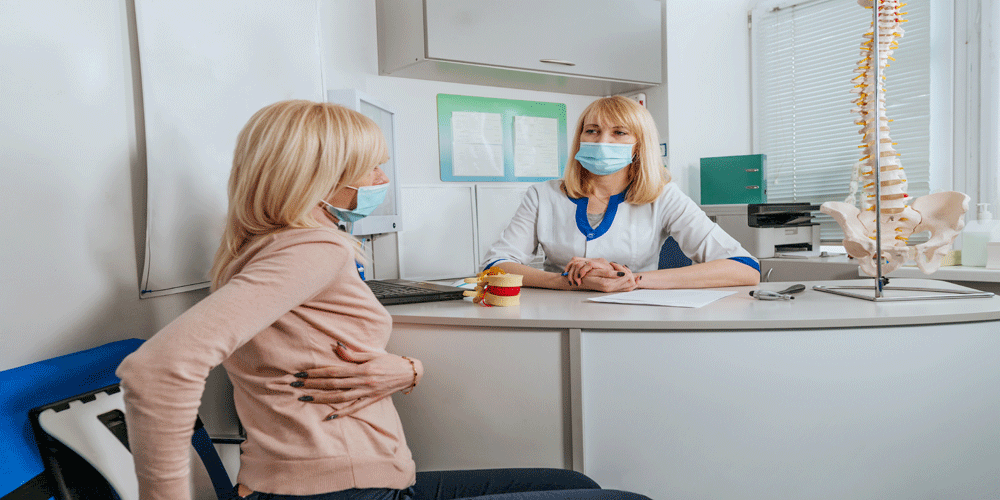
Healthcare consulting rooms are the heartbeat of medical facilities, playing a pivotal role in patient care, diagnostics, and the overall healthcare experience. These spaces serve as sanctuaries where patients meet healthcare professionals, share their concerns, and receive personalized attention. They are the starting point for diagnoses, treatment plans, and the delivery of compassionate care.
Privacy and Comfort: Consulting rooms are designed to prioritize patient comfort and confidentiality. They offer a private space for patients to discuss sensitive medical issues, allowing healthcare professionals to provide undivided attention and individualized care. This confidentiality fosters trust between patients and their caregivers, encouraging open communication crucial for accurate diagnoses and effective treatment.
Diagnostic and Therapeutic Hub: Equipped with essential medical tools, consulting rooms serve as diagnostic hubs. From measuring vital signs to conducting preliminary examinations, these spaces facilitate the initial assessment of a patient’s health condition. They also enable healthcare providers to offer immediate care, prescribe medications, or recommend further specialized evaluations or treatments.
Patient-Centric Approach: The layout and ambiance of consulting rooms are tailored to create a calming environment, easing patient anxiety and promoting a sense of safety. This patient-centric approach is vital in addressing not only physical but also emotional well-being. By fostering a comfortable atmosphere, these rooms contribute significantly to the overall healing process.
Efficient Workflow and Collaboration: Beyond patient care, consulting rooms are spaces for collaboration among healthcare professionals. They serve as a meeting point for discussions, consultations, and the exchange of ideas between doctors, nurses, specialists, and other caregivers. This collaboration enhances the quality of care provided and ensures a comprehensive approach to patient health.
Technology Integration: Advancements in technology have revolutionized healthcare consulting rooms, enabling the integration of electronic health records, telemedicine, and diagnostic equipment. These technological integrations streamline processes, enhance accuracy in diagnosis, and enable seamless communication between healthcare providers and specialists, ultimately benefiting patient care.
Enhancing the Patient Experience
The design and ambiance of consulting rooms play a crucial role in shaping the patient experience. Beyond functional aspects, these rooms are curated to evoke a sense of serenity and comfort. Soft lighting, soothing colors, and ergonomic furniture contribute to a calming environment, helping alleviate the stress often associated with medical visits. By fostering a welcoming atmosphere, healthcare providers can establish trust and rapport with their patients, encouraging open dialogue and ensuring that patients feel heard and understood.
Customized Care Delivery
Each consulting room acts as a personalized space where healthcare professionals can tailor their approach to meet individual patient needs. Whether it’s adapting the room setup for pediatric patients, elderly individuals, or those with specific medical requirements, these spaces are versatile enough to accommodate diverse patient demographics. This adaptability ensures that patients receive care that is not only medically sound but also considerate of their unique circumstances and preferences.
Continuity of Care
In the realm of healthcare, continuity is key. Consulting rooms serve as consistent points of contact for patients, fostering continuity in their healthcare journey. Whether for routine check-ups, follow-up appointments, or addressing acute medical concerns, these rooms serve as a familiar setting where patients can build trust with their healthcare providers over time. This continuity helps in tracking patient progress, maintaining comprehensive medical records, and facilitating ongoing care management.
Embracing Technological Advancements
The integration of cutting-edge technology within consulting rooms has revolutionized healthcare delivery. Digital health tools, such as electronic health records (EHRs) and telemedicine capabilities, have transformed how consultations and diagnoses are conducted. These technological integrations enable healthcare providers to access patient records instantly, collaborate with specialists remotely, and even conduct virtual consultations, breaking down geographical barriers and expanding access to quality care.
Optimizing Workflow and Efficiency
Efficiency is crucial in healthcare delivery, and consulting rooms are designed to optimize workflow for healthcare professionals. From strategically placed equipment to ergonomic layouts that facilitate smooth movement, these rooms are tailored to support streamlined processes. This optimization not only benefits healthcare providers by enabling them to deliver care more effectively but also ensures that patients receive timely and efficient services.
The Evolution of Patient-Centric Care
Ultimately, healthcare consulting rooms embody the evolution of patient-centric care. They represent a shift from a solely clinical approach to a more holistic view of healthcare—one that prioritizes the emotional, psychological, and social aspects of healing. By focusing on patient comfort, confidentiality, and personalized care, these rooms stand as symbols of a healthcare system that places the patient at the center of all medical decisions and interventions.
In essence, healthcare consulting rooms are far more than physical spaces within medical facilities. They symbolize a commitment to excellence in healthcare delivery, reflecting the values of compassion, expertise, and innovation that define modern healthcare practices.