Ultimate Guide to Washroom Products
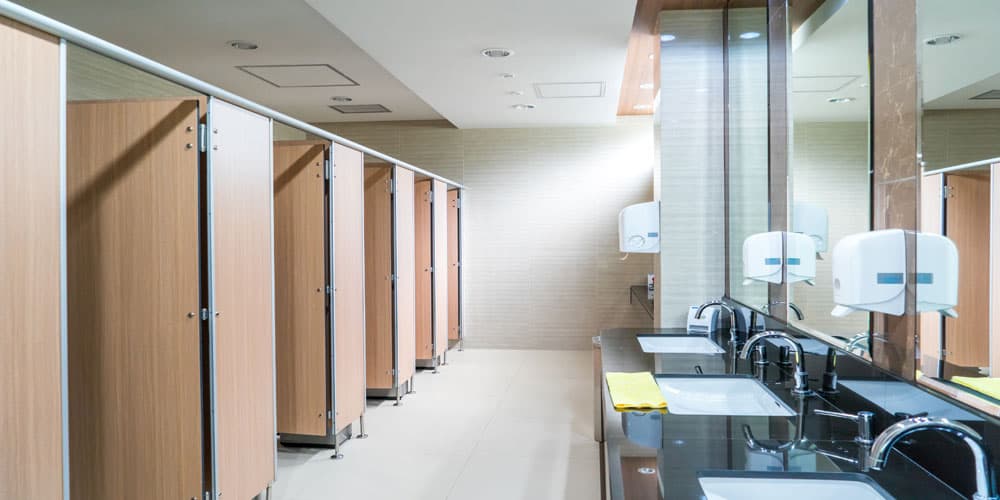
The Ultimate Guide to Washroom Products
Washrooms, whether in homes, offices, or public spaces, are essential facilities that require careful consideration regarding cleanliness, hygiene, and user comfort. The quality of washroom products significantly impacts the overall experience and health of users. This comprehensive guide will explore various aspects of washroom products, including types, materials, innovations, and eco-friendly options. By the end of this guide, you’ll have a thorough understanding of how to choose the best washroom products for your needs.

Chapter 1: Types of Washroom Products
1.1. Toilets
1.1.1. Standard Toilets
Standard toilets, also known as gravity-fed toilets, are the most common type found in households. They rely on gravity to flush waste through the plumbing system. These toilets are available in various designs, including one-piece and two-piece models.
1.1.2. Dual-Flush Toilets
Dual-flush toilets are designed to conserve water by offering two flush options: a full flush for solid waste and a reduced flush for liquid waste. This type of toilet is increasingly popular in both residential and commercial settings due to its water-saving benefits.
1.1.3. Pressure-Assisted Toilets
Pressure-assisted toilets use compressed air to enhance the flushing power, making them suitable for high-traffic areas where a stronger flush is required. These toilets are commonly found in public restrooms and commercial buildings.
1.1.4. Smart Toilets
Smart toilets incorporate advanced features such as automated flushing, bidet functions, heated seats, and even health monitoring capabilities. They offer a high level of comfort and hygiene, making them a popular choice in modern, upscale washrooms.
1.2. Sinks and Faucets
1.2.1. Types of Sinks
Pedestal Sinks: These sinks stand alone and are ideal for small bathrooms due to their space-saving design.
Undermount Sinks: Installed beneath the countertop, these sinks provide a seamless look and are easy to clean.
Vessel Sinks: Mounted on top of the countertop, vessel sinks add a stylish and modern touch to the bathroom decor.
Wall-Mounted Sinks: Attached directly to the wall, these sinks save floor space and are often used in small or minimalist bathrooms.
1.2.2. Types of Faucets
Single-Hole Faucets: These faucets are easy to install and control with a single handle for both hot and cold water.
Center-Set Faucets: Designed for sinks with three holes, center-set faucets are a common choice in many bathrooms.
Widespread Faucets: These faucets have separate hot and cold water handles, allowing for flexible installation and a luxurious appearance.
Touchless Faucets: Equipped with motion sensors, touchless faucets enhance hygiene by eliminating the need to touch the faucet.
1.3. Showers and Bathtubs
1.3.1. Showers
Showerheads: Available in various styles, including fixed, handheld, rain, and multi-function, showerheads can significantly affect the shower experience.
Shower Panels: Featuring multiple jets and a sleek design, shower panels offer a spa-like experience in the comfort of your home.
Walk-In Showers: These showers provide easy access and are particularly beneficial for individuals with mobility issues.
1.3.2. Bathtubs
Standard Bathtubs: Traditional bathtubs are designed for soaking and are a staple in many bathrooms.
Whirlpool Tubs: Equipped with jets that create a massaging effect, whirlpool tubs provide a luxurious bathing experience.
Freestanding Tubs: These tubs are not attached to walls, offering a striking aesthetic and flexibility in placement.
Walk-In Tubs: Designed for accessibility, walk-in tubs have a door for easy entry and exit, making them ideal for the elderly or those with disabilities.
1.4. Washroom Accessories
1.4.1. Soap Dispensers
Manual Soap Dispensers: Operated by pressing a pump, these dispensers are a common choice in both homes and public restrooms.
Automatic Soap Dispensers: Equipped with sensors, automatic dispensers reduce the spread of germs by eliminating the need for physical contact.
1.4.2. Hand Dryers and Paper Towel Dispensers
Electric Hand Dryers: Available in traditional and high-speed models, electric hand dryers offer an eco-friendly alternative to paper towels.
Paper Towel Dispensers: These dispensers provide a convenient and hygienic way to dry hands, commonly found in public washrooms.
1.4.3. Trash Cans and Recycling Bins
Standard Trash Cans: Available in various sizes and designs, trash cans are essential for maintaining cleanliness in washrooms.
Recycling Bins: Encouraging recycling in washrooms helps reduce waste and promote sustainability.
1.5. Cleaning and Maintenance Products
1.5.1. Toilet Cleaners
Toilet cleaners are specially formulated to remove stains, disinfect, and deodorize toilets, ensuring a clean and hygienic washroom environment.
1.5.2. All-Purpose Cleaners
All-purpose cleaners are versatile and can be used on various surfaces, including sinks, countertops, and tiles, making them an essential part of washroom maintenance.
1.5.3. Glass Cleaners
Glass cleaners are designed to remove streaks and smudges from mirrors and glass surfaces, maintaining a sparkling clean appearance.
Chapter 2: Materials Used in Washroom Products
2.1. Ceramics and Porcelain
Ceramics and porcelain are widely used in toilets, sinks, and tiles due to their durability, ease of cleaning, and resistance to stains and odors. These materials offer a classic and timeless look, suitable for various bathroom styles.
2.2. Stainless Steel
Stainless steel is commonly used in faucets, showerheads, and hand dryers due to its corrosion resistance, durability, and sleek appearance. It is also easy to clean and maintain, making it a popular choice in both residential and commercial washrooms.
2.3. Glass
Glass is often used in shower doors, mirrors, and vessel sinks. It offers a modern and elegant look, and when tempered, it is highly durable and resistant to breakage.
2.4. Plastics and Composites
Plastics and composites are used in various washroom products such as soap dispensers, toilet seats, and trash cans. These materials are lightweight, affordable, and available in a wide range of colors and designs.
2.5. Natural Stone
Natural stone, including marble, granite, and quartz, is used in countertops, sinks, and tiles. It offers a luxurious and high-end look, though it requires regular maintenance to preserve its beauty.
2.6. Wood
Wood is used in washroom products such as vanities, shelves, and decorative elements. It adds warmth and a natural touch to the bathroom decor, though it must be properly treated to resist moisture and humidity.
Chapter 3: Innovations in Washroom Products
3.1. Smart Technology
3.1.1. Smart Toilets
Smart toilets offer advanced features such as automated flushing, bidet functions, heated seats, and health monitoring. These toilets enhance user comfort and hygiene, and some models can even be controlled via smartphone apps.
3.1.2. Touchless Faucets and Soap Dispensers
Touchless faucets and soap dispensers use motion sensors to operate, reducing the spread of germs and improving hygiene. These products are particularly beneficial in public restrooms and high-traffic areas.
3.2. Water-Saving Technologies
3.2.1. Dual-Flush Toilets
Dual-flush toilets offer two flush options, allowing users to choose a full flush for solid waste and a reduced flush for liquid waste. This technology helps conserve water and reduce utility bills.
3.2.2. Low-Flow Faucets and Showerheads
Low-flow faucets and showerheads are designed to reduce water consumption without compromising performance. These products help save water and are an essential part of eco-friendly washroom designs.
3.3. Eco-Friendly Materials and Products
3.3.1. Recycled Materials
Many washroom products are now made from recycled materials, including recycled plastic, glass, and metal. Using recycled materials helps reduce waste and promote sustainability.
3.3.2. Biodegradable and Compostable Products
Biodegradable and compostable washroom products, such as paper towels and trash bags, are designed to break down naturally, reducing their environmental impact.
3.4. Advanced Cleaning and Disinfection
3.4.1. UV-C Sanitizers
UV-C sanitizers use ultraviolet light to kill bacteria and viruses on surfaces. These devices are increasingly used in washrooms to enhance cleanliness and hygiene.
3.4.2. Self-Cleaning Toilets
Self-cleaning toilets feature automated cleaning systems that sanitize the bowl after each use, reducing the need for manual cleaning and maintaining a high level of hygiene.
Chapter 4: Eco-Friendly Washroom Products
4.1. Importance of Eco-Friendly Products
Using eco-friendly washroom products is crucial for reducing environmental impact, conserving resources, and promoting sustainability. These products help minimize waste, lower water and energy consumption, and reduce the use of harmful chemicals.
4.2. Water-Saving Products
4.2.1. Dual-Flush Toilets
Dual-flush toilets, as mentioned earlier, offer significant water-saving benefits by providing two flush options.
4.2.2. Low-Flow Faucets and Showerheads
Low-flow faucets and showerheads reduce water consumption while maintaining performance, making them an essential part of any eco-friendly washroom.
4.3. Energy-Efficient Hand Dryers
Energy-efficient hand dryers use less electricity compared to traditional models, reducing energy consumption and operational costs. High-speed hand dryers, in particular, offer quick drying times and lower energy use.
4.4. Biodegradable and Compostable Products
Using biodegradable and compostable products, such as paper towels, trash bags, and even certain types of soap, helps reduce waste and environmental impact. These products break down naturally and return to the earth without leaving harmful residues.
4.5. Eco-Friendly Cleaning Products
Eco-friendly cleaning products are made from natural, non-toxic ingredients that are safe for both the environment and human health. These products effectively clean and disinfect without releasing harmful chemicals into the water supply or air.
4.6. Sustainable Materials
4.6.1. Recycled Materials
Products made from recycled materials, such as recycled plastic, metal, and glass, help reduce waste and conserve resources. Choosing products with recycled content supports the recycling industry and promotes sustainability.
4.6.2. Renewable Materials
Renewable materials, such as bamboo and sustainably sourced wood, are used in various washroom products. These materials are replenished naturally and have a lower environmental impact compared to non-renewable resources.
Chapter 5: Tips for Choosing the Right Washroom Products
5.1. Assessing Your Needs
When choosing washroom products, it’s essential to assess your specific needs and preferences. Consider factors such as the size of the washroom, the number of users, and any special requirements (e.g., accessibility, water conservation).
5.2. Quality and Durability
Investing in high-quality, durable washroom products ensures long-term performance and reliability. Look for products made from robust materials and reputable brands known for their quality and customer service.
5.3. Hygiene and Maintenance
Hygiene is a top priority in any washroom. Choose products that are easy to clean and maintain, and consider features such as touchless operation and self-cleaning capabilities to enhance hygiene.
5.4. Water and Energy Efficiency
Select products that are designed to conserve water and energy, such as dual-flush toilets, low-flow faucets, and energy-efficient hand dryers. These products not only reduce environmental impact but also help lower utility bills.
5.5. Aesthetic and Design
The design and aesthetics of washroom products play a significant role in creating a pleasant and inviting environment. Choose products that complement the overall style and decor of the washroom, whether it’s modern, traditional, or minimalist.
5.6. Budget Considerations
While it’s important to invest in quality products, it’s also essential to stay within your budget. Compare prices and features to find the best value for your money, and consider long-term savings from water and energy-efficient products.
5.7. Accessibility and Inclusivity
Ensure that your washroom is accessible and inclusive for all users, including individuals with disabilities and the elderly. Choose products such as walk-in tubs, grab bars, and accessible sinks to accommodate diverse needs.
Chapter 6: Washroom Products – Ensuring Cleanliness
Washroom products play a crucial role in ensuring cleanliness, hygiene, and user comfort. By understanding the various types of products, materials, innovations, and eco-friendly options available, you can make informed decisions that meet your specific needs and preferences. Whether you’re upgrading a residential bathroom or outfitting a commercial restroom, this comprehensive guide provides the knowledge and insights needed to create a functional, stylish, and sustainable washroom.
This guide covers a wide range of topics related to washroom products, providing valuable information for anyone looking to improve their washroom facilities. If you have any specific questions or need further details on any section, feel free to ask!