Interior Design and Mental Health
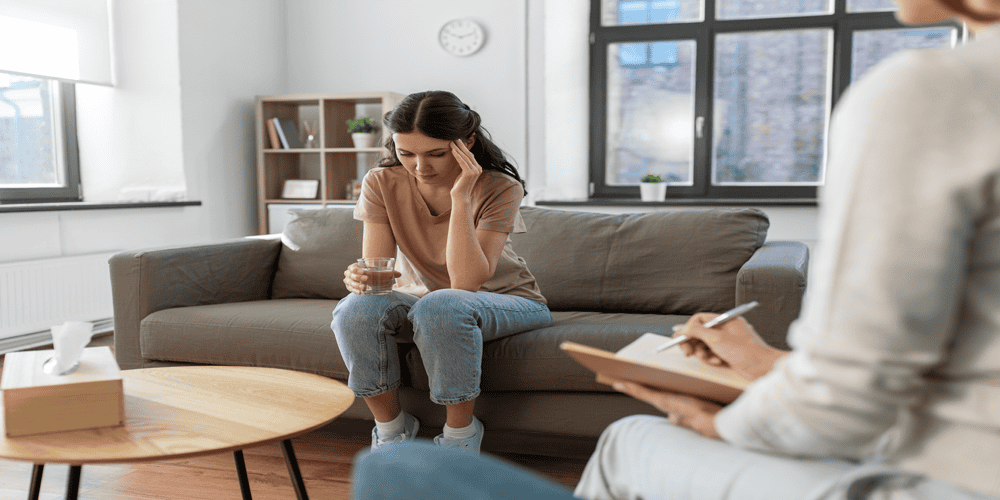
Looking at Interior Design and Mental Health
Interior design is not just about how things look; it is closely linked to mental health. The places where you spend your time can change how you feel and act. For example, natural light can make you feel calm, while bright colours can energize you. Research shows that good design choices, like keeping spaces tidy, using natural materials, and planning the lighting carefully, can boost your mood and emotional health. This connection between our surroundings and our minds highlights how important interior design is for mental well-being.
Research shows that interior design plays a key role in mental health. Different elements in our surroundings, like colours, furniture, and textures, can affect our mood and stress. For example, calm colours such as green and blue help lessen anxiety, while bright colours like red can boost energy levels.
The way indoor spaces are designed can trigger feelings. Whether it is a tidy living space or a bright office with plenty of natural light, good design is important for promoting mental well-being.
The role of environment in psychological health
Every space we live in affects our mental health in unique ways. Environmental psychology looks at how people connect with their surroundings, showing how the design of interior spaces can impact feelings. Rooms that are designed thoughtfully can make us feel calm, while messy areas can raise our stress levels.
Natural elements, like plants and sunlight, are very important for good mental health. One study found that children who grow up close to nature have a much lower chance of facing mental health issues. Having these elements in our spaces helps create a feeling of comfort and stability.
Also, how we respond to interior design is backed by research. This shows how things like colours and layouts can change our feelings. Design can help us feel calm or inspire us creatively. These features in our environment can have lasting positive effects on our emotional health.
How interior spaces can promote or hinder mental well-being
Interior spaces can impact how we feel. Their layout and design can either help or harm our mental well-being. For instance, rooms that are dark and lack natural light may increase feelings of depression. On the other hand, spaces filled with sunlight can boost mood and thinking skills.
Clutter in a room can also block mental clarity and make us feel uneasy. When a space is organized and tidy, it provides a sense of calm and accomplishment. This is important for our emotional health. Designing rooms with a focus on harmony can greatly change how we feel about that space.
Using soft ambient light, placing furniture thoughtfully, and including natural materials can create a peaceful atmosphere. In contrast, crowded spaces and harsh metallic surfaces can make us uncomfortable. By using calming design ideas, we can shape our emotional responses to our surroundings in a positive way.
Key Elements of Interior Design That Affect Mental Health
A good interior design can greatly affect mental health. It uses things like colour, lighting, texture, and layout to make a difference. Colour psychology looks at how different colours can make us feel. For example, blue and green can calm us, while red can give us energy.
Both natural and artificial lighting are important too. Not enough light can make people feel irritable or even depressed. The use of textures, like wood or glass, creates a relaxing environment. A well-planned layout helps everyone feel comfortable and move easily. Together, these design elements create spaces that support emotional well-being.
Colour psychology and its impact on mood
Colour psychology highlights how colours affect our feelings and thoughts. Warm colours, such as yellow and pink, bring about feelings of hope. On the other hand, cooler colours like blue help lower anxiety and stress. In living spaces, calming warm colours create a sense of comfort and harmony. Green is very flexible. It encourages creativity and peace, so it’s great for spaces where focus is important, like reading or art rooms. Red, however, boosts energy and appetite, which is useful in dining areas.
The psychological effects of colour choice can change how we see the size of a room. Lighter coloured wall paints are a great way to make small rooms feel bigger. Choosing the right colours for a room’s purpose is key to creating a space that supports emotional well-being.
The influence of lighting on emotional states
Lighting is very important for emotional health. Natural light is key for mental well-being. It helps regulate circadian rhythms, improves sleep quality, and boosts mood. On the other hand, dim lighting can increase stress and feelings of depression. This shows how essential it is to have enough light.
• Rooms filled with sunlight usually lower stress levels.
• Bright artificial lights assist with focus and productivity.
• Soft lamps with yellow tones create a cozy atmosphere.
• Room layout should allow light at eye level.
In indoor spaces, good lighting design meets emotional needs. Bright light can give energy and clarity. Soft, gentle lighting helps you relax. The most important things to focus on are the sources and strength of daylight.
These points highlight how lighting design can positively affect mental health in different lifestyles and spaces.
Spatial arrangement and its effects on stress levels
The way a room is arranged affects how people feel. Open spaces make us feel free and relaxed. Because of this, we like them for living and working. In contrast, a crowded room increases stress. How we place furniture is also important. Good design can help you feel better without getting in the way. Keeping sight lines clear and areas open can help avoid overwhelming your mind.
Using minimalistic designs is important too. Fewer items with more purpose can lower stress. This helps everyone feel more comfortable and calmer. Balancing usability and the layout are key to reducing tension through good design.
Practical Tips for Enhancing Mental Health Through Interior Design
Improving mental health through interior design doesn’t need big changes. You can start with small tweaks. Add calming colours, let in more natural light, or bring in natural elements like houseplants. Make areas in your home where you can relax. Choose colour schemes, textures, and layouts that make you feel good. Clear out clutter to cut down on chaos and lessen anxiety. Simple updates, like using sheer curtains to let in daylight or rearranging furniture for more open space, can change how a room feels. These small steps can help your emotional health.
Selecting calming colours for relaxation zones
Using calming colours in daily spaces can help make relaxing areas more effective. Lighter blues, earthy greens, and soft warmer tones will boost peace and tranquillity.
Bedrooms are great for these colours, as they support restful sleep and improve overall mood. For spaces that promote comfort, muted tones blend well with light and furniture to create smooth interiors. Think about your colour choice to work well with natural daylight.
Mixing neutral shades with accented pastels adds subtle beauty without being too much. Choosing the right colours improves the look of your space while helping you relax and supporting your emotional responses, which is important for good mental health.
Incorporating natural light and elements for improved mood
Using natural elements like houseplants and polished wood in a room connects it to the outdoors. This connection can improve mood. Plants create a sense of balance and well-being, which helps to lower stress.
Natural lighting is important for emotional health. Getting enough daylight can improve sleep quality, boost energy levels, and lessen symptoms of depression. Choosing sheer curtains instead of heavy shades lets in more light while adding warmth.
Mixing organic materials with plenty of sunlight makes the space and those in it feel better. For living areas, these elements of nature provide calming effects that support good mental health.
Design strategies for reducing clutter and anxiety
Decluttering can help reduce both visual and emotional clutter. This is important because it can lower your anxiety. You should start by tidying up the areas you use most. Get rid of stuff that does not belong there and could cause stress or mess up the flow. Good storage solutions can also help keep things low stress over time. Furniture with hidden storage is useful and keeps the space looking nice and tidy. This makes it easier to handle design choices that fit well together.
Simple designs can help you think better and improve your results. Keeping busy rooms organized is good for your emotional health. It matters a lot in how you style your living space.
Case Studies: Successful Mental Health-Focused Design Projects
Examples from the real world show how well-designed rooms can improve mental health. Home projects that use nature, following the principles of biophilic design, demonstrate that natural elements can create a peaceful atmosphere and lower stress.
Workplaces that focus on employee wellness—by using open spaces, bright lighting, and green areas—can keep workers happy and encourage a positive environment. These designs are proof that combining function and beauty can enhance emotional well-being. They represent a great way to bring positive changes into daily work life and promote better mental health outcomes.
Residential spaces designed with mental health in mind
Creating homes that improve mental health is important. This requires careful thought about the design. Using lots of natural light and natural materials can really improve the mood and energy levels in a home. Adding indoor plants and choosing warmer tones helps people feel more connected to their space, which can help them relax. Interior designers can use biophilic design ideas to make a home that not only helps with sleep quality but also supports cognitive tasks. This leads to positive mental health outcomes in daily life.
Workplace designs that enhance employee well-being
Creating workplaces that focus on employee well-being can really change the overall mood and health. Adding natural elements, like indoor plants, helps to clean the air and connect people to nature, which is important for mental health. Good design features, such as proper ceiling height and where the windows are placed for natural light, can boost productivity. Using colour psychology by choosing warmer tones can improve emotional health, making spaces feel friendly and energizing. This promotion supports positive mental health outcomes in the workplace.
Challenges in Designing for Mental Health
Creating spaces that focus on mental health has its own challenges. It can be tricky to balance looks and usefulness. Finding the right feel with different design parts is important. Also, understanding the varied needs of people in both public and private areas involves knowing environmental psychology. Designers should think about how things like natural light, colour choice, and layout affect emotional responses and overall mood. Meeting these needs is key to improving mental wellbeing and encouraging positive mental health outcomes in the built environment.
Balancing aesthetics with functionality
Creating a nice living space needs careful thinking about how it looks and how it works. Good design uses principles of biophilic design. This means bringing in elements of nature and using natural materials. These features not only make the space beautiful but also improve overall mental health. Choosing colours wisely and having the right ceiling heights can really change a person’s mood. Ergonomically designed furniture keeps the space functional and supports physical health. This balance helps spaces be comfortable for social interaction and cognitive tasks. In turn, this promotes positive mental health outcomes.
Addressing diverse needs in public and private spaces
Creating places that meet different needs takes careful planning. It’s important to know how interior design affects mental health. Public areas should be comfortable and encourage people to connect with each other. They need to consider different age groups and their feelings. On the other hand, private spaces should be a place to relax. These spaces can use things like colour psychology and natural materials to help people unwind. By using biophilic design, these areas can improve air quality and let in natural light. This will lead to better mental health outcomes for everyone.
Future Trends in Interior Design and Mental Health
Emerging trends in interior design are now focusing more on mental health. Designers want to create spaces that support mental wellbeing. Technology will play a big role. Smart home features can change the lighting and air quality based on what each person needs. Sustainability is also important. There is more focus on using natural materials and including elements of nature. This can help improve emotional health. These design choices can boost energy levels too. They also help people connect better with the natural environment. This connection is key for positive mental health outcomes.
Technology integration in mental health-friendly design
Innovative technologies are changing how we can design spaces for better mental well-being. Smart lighting systems adjust to circadian rhythms to boost energy levels and improve overall mood. This shows the importance of good design. Virtual reality offers experiences that can help reduce symptoms of depression, highlighting how the built environment can affect emotional health. Also, using air quality monitors ensures indoor spaces support physical health. This creates areas where natural elements meet modern technology to promote a complete sense of wellness.
Sustainability and wellness as upcoming design considerations
Today, interior design is focusing more on sustainability and wellness. This change is important because it affects mental health. By using natural materials and adding elements of nature, spaces look better and help with emotional wellbeing. Studies have shown that using non-toxic finishes and maximizing natural light can improve air quality and boost overall mood. This leads to positive mental health outcomes. Designers are also adopting the principles of biophilic design. They create spaces that invite social interaction and help with cognitive tasks. This makes living spaces happier for everyone.
The connection between mental health and interior design is very important for our well-being. Using natural elements, the right colour schemes, and smart layouts can greatly affect a person’s mood and emotional health. As more people become aware of this link, we see how crucial it is to create spaces that support positive mental health outcomes. By applying ideas from environmental psychology and biophilic design, interior designers can make areas that help with mental wellbeing. This can improve the quality of life in homes and workplaces.
Frequently Asked Questions
Q: How can small spaces be designed to boost mental health?
A: Using natural light, soothing colours, and adding plants can really improve small spaces for mental health. Choosing furniture that saves space and helps with organization can make the area feel calm. This setup encourages relaxation and boosts productivity.
Q: Can colour choices in a room really affect your emotions?
A: Yes, the colours we choose can have a big effect on our feelings. Warm colours, like red and orange, can make us feel energetic. On the other hand, cool colours, like blue and green, often help us feel calm. Knowing how colours can affect us can help design places that improve our well-being and support mental health.
Q: What are some quick changes that can improve mental health at home?
A: To improve mental health at home, think about organizing your space better. Let in more natural light, add some plants, and choose calming colours. Set up special areas for relaxation and make sure your furniture is comfortable. These small changes can really brighten your mood and help you feel good.
Key Highlights
• Interior design is important for mental health. Using colour, lighting, and space can really help how we feel.
• Environmental psychology looks at how our surroundings affect our mind and well-being.
• Adding natural elements like sunlight and plants in indoor spaces can lower stress and improve mental health.
• Colour psychology shows us that different colours affect our emotions. Soothing colours can help us relax.
• Clean and useful spaces bring calmness, while messy designs can increase anxiety.
• Small changes in design, like adding houseplants and sheer curtains, can greatly boost emotional health.