Art Galleries & their Impact on Mental Health
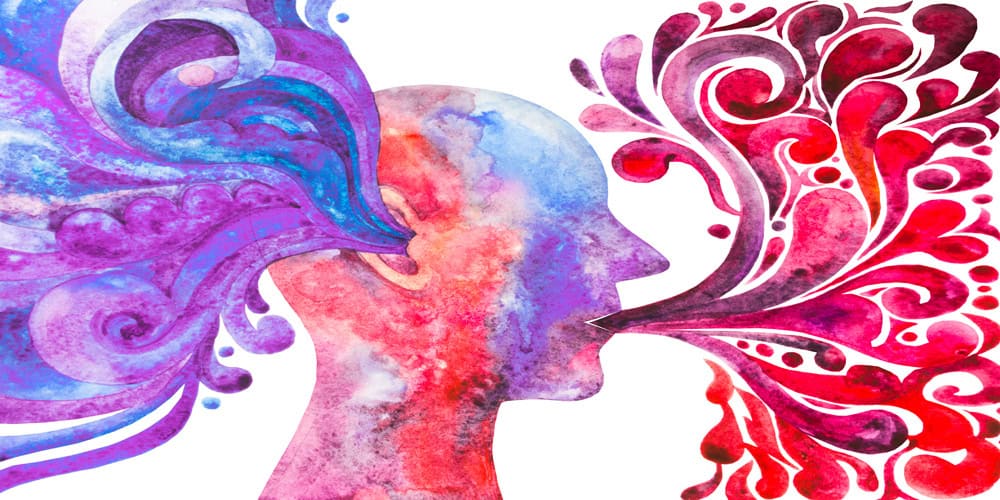
Art Galleries & their Impact on Mental Health
Art has long been regarded as a powerful tool for expressing human emotion, connecting people across cultures, and reflecting the complexities of life. While art’s aesthetic value is often celebrated, the mental health benefits of engaging with art, particularly in the context of art galleries, have garnered increasing attention in recent years. Art galleries are more than just spaces for showcasing creativity; they are sanctuaries that provide solace, inspiration, and healing. This article explores the profound impact that art galleries can have on mental health, delving into the psychological benefits of experiencing art, the therapeutic potential of creative expression, and the social connections fostered within these cultural spaces.
The Psychological Benefits of Experiencing Art
When one steps into an art gallery, they enter a realm where time seems to slow down, and the mind is invited to explore a myriad of emotions, thoughts, and perspectives. The act of observing art can evoke a range of psychological responses, many of which contribute positively to mental well-being.
1. Stress Reduction and Relaxation:
Art galleries offer a peaceful environment that encourages visitors to pause and reflect. The tranquility of these spaces, combined with the aesthetic beauty of the artwork, can significantly reduce stress. Studies have shown that simply viewing art can lower cortisol levels, the hormone associated with stress. The colors, forms, and compositions within artworks can have a calming effect, similar to the experience of mindfulness meditation. By focusing on the details of a painting or sculpture, visitors can temporarily escape the pressures of daily life, finding a moment of relaxation and mental reprieve.
2. Emotional Release and Catharsis:
Art has the power to evoke deep emotional responses, providing a safe outlet for the release of pent-up feelings. Whether it’s a painting that resonates with personal struggles or a sculpture that evokes a sense of peace, art can trigger emotional catharsis. This emotional release is crucial for mental health, as it allows individuals to process and confront their emotions in a non-verbal manner. The connection between viewer and artwork can be intensely personal, leading to a profound sense of understanding and relief.
3. Stimulation of the Imagination and Creativity:
Engaging with art stimulates the imagination, encouraging visitors to think beyond the boundaries of their everyday experiences. This mental stimulation is not only enjoyable but also essential for cognitive health. Imagination and creativity are closely linked to problem-solving skills and adaptability—qualities that are crucial for maintaining mental resilience. By immersing themselves in the diverse perspectives presented in an art gallery, visitors can enhance their creative thinking, which in turn can lead to improved mental flexibility and a greater ability to cope with life’s challenges.
4. Reflection and Self-Discovery:
Art galleries provide a space for introspection, where visitors can explore their own thoughts, feelings, and identities. The reflective nature of art encourages viewers to consider their place in the world, their values, and their desires. This process of self-discovery can lead to greater self-awareness and emotional intelligence, both of which are important for mental health. Understanding oneself more deeply can help in recognizing and addressing personal challenges, leading to a more fulfilling and balanced life.
The Therapeutic Potential of Creative Expression
While viewing art has significant mental health benefits, the act of creating art within the context of an art gallery can also be profoundly therapeutic. Many galleries offer workshops, classes, and interactive exhibits that encourage visitors to engage in the creative process. This active participation in art-making can have transformative effects on mental health.
1. Art Therapy and Emotional Healing:
Art therapy is a well-established practice that utilizes the creative process to help individuals express and process emotions, reduce anxiety, and improve overall mental well-being. Many art galleries collaborate with art therapists to provide sessions that allow participants to explore their inner worlds through painting, drawing, sculpture, and other forms of artistic expression. These therapeutic activities are particularly beneficial for individuals who find it difficult to articulate their feelings through words. The non-verbal nature of art allows for the exploration of complex emotions in a safe and supportive environment, leading to emotional healing and growth.
2. Enhancing Self-Esteem and Confidence:
Participating in art-making can significantly boost self-esteem and confidence. For many people, the act of creating something beautiful or meaningful provides a sense of accomplishment and pride. This positive reinforcement is particularly important for individuals struggling with low self-worth or depression. Art galleries that offer creative workshops give people the opportunity to develop new skills, express themselves authentically, and receive validation for their efforts. This can lead to an improved self-image and a greater sense of agency in their lives.
3. Social Interaction and Community Building:
Art galleries are not just spaces for individual contemplation; they are also vibrant communities where people can connect with others who share similar interests. Participating in art workshops or attending gallery events provides opportunities for social interaction, which is crucial for mental health. Loneliness and social isolation are significant risk factors for mental health issues, and art galleries play a vital role in mitigating these risks by fostering a sense of community. The shared experience of creating or appreciating art can help build connections, reduce feelings of isolation, and enhance overall well-being.
4. Mindfulness and Flow State:
The process of creating art often requires focused attention and immersion in the present moment, which can lead to a state of mindfulness or “flow.” This state of deep concentration is associated with numerous mental health benefits, including reduced anxiety, increased happiness, and enhanced creativity. Art galleries that encourage hands-on participation help visitors experience this flow state, offering a therapeutic escape from the distractions and stresses of everyday life. Engaging in the creative process within the serene environment of a gallery can be a powerful way to cultivate mindfulness and promote mental well-being.
Art Galleries as Inclusive and Accessible Spaces
For art galleries to have a meaningful impact on mental health, they must be inclusive and accessible to diverse populations. This involves not only physical accessibility but also the creation of welcoming environments that cater to people from all walks of life.
1. Accessibility for All:
Many art galleries are making concerted efforts to improve accessibility for individuals with physical disabilities, ensuring that everyone can enjoy the mental health benefits of art. This includes providing ramps, elevators, and accessible restrooms, as well as offering sensory-friendly experiences for visitors with autism or sensory processing disorders. Additionally, galleries are increasingly providing materials in multiple languages and offering virtual tours for those who cannot visit in person. By making art accessible to all, galleries can broaden their impact and ensure that everyone has the opportunity to experience the therapeutic power of art.
2. Inclusivity and Representation:
Inclusivity in art galleries also means representing diverse voices and perspectives. Many galleries are working to showcase artists from underrepresented communities, including women, people of color, LGBTQ+ individuals, and those with disabilities. This representation is crucial for mental health, as it allows visitors to see themselves reflected in the art and feel a sense of belonging. When people see their identities and experiences acknowledged and celebrated, it can validate their feelings and contribute to a positive self-concept. Inclusivity in art galleries helps to break down barriers, challenge stereotypes, and promote mental well-being for all.
3. Community Engagement and Outreach:
Art galleries that actively engage with their local communities can have a profound impact on mental health at a broader level. Outreach programs that bring art into schools, hospitals, and underserved neighborhoods help to democratize access to the mental health benefits of art. By partnering with community organizations, galleries can provide workshops, exhibitions, and art therapy sessions to those who might not otherwise have access to such resources. These efforts not only enrich the community but also contribute to collective mental well-being by fostering creativity, connection, and healing.
4. Cultural Sensitivity and Awareness:
Cultural sensitivity is essential for creating an inclusive environment that respects and honors the diverse backgrounds of gallery visitors. Art galleries must be aware of the cultural significance of the artworks they display and ensure that they are presented in a way that is respectful and mindful of different cultural perspectives. This sensitivity extends to the programming and events offered by galleries, which should be designed to be welcoming and relevant to a diverse audience. When art galleries approach their work with cultural awareness, they create spaces where people from all backgrounds can experience the mental health benefits of art in a way that is meaningful and respectful.
Mental Health, Well Being & Art
Art galleries are much more than places to view beautiful objects; they are vital spaces that contribute significantly to mental health and well-being. The psychological benefits of experiencing art, the therapeutic potential of creative expression, and the social connections fostered within these spaces all underscore the important role that art galleries play in promoting mental health.
By making art accessible, inclusive, and engaging, galleries can reach a diverse audience and provide opportunities for emotional healing, self-discovery, and community building. As society continues to recognise the importance of mental health, the role of art galleries as sanctuaries of creativity, reflection, and connection will only become more significant. Through their efforts to create welcoming and supportive environments, art galleries have the potential to make a lasting impact on the mental well-being of individuals and communities alike.