Breast Cancer Checks Missing Most Women Under 50
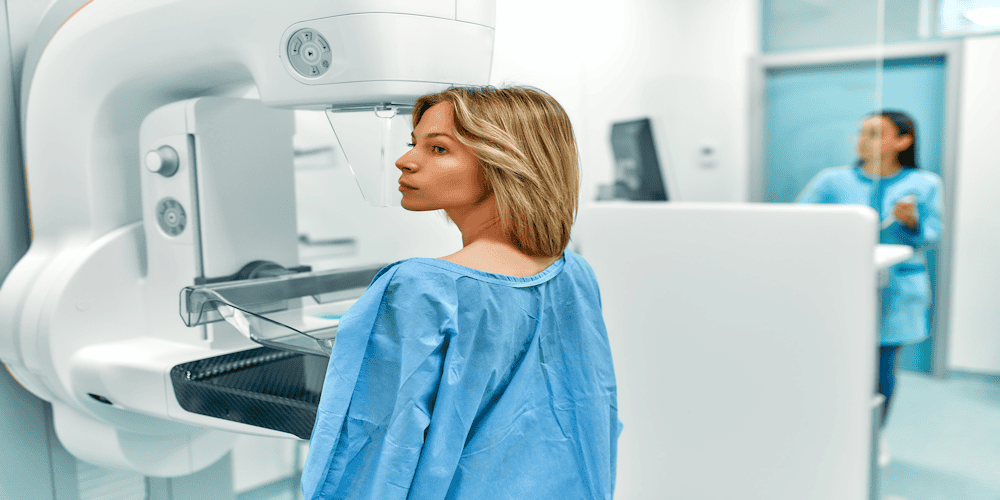
Are Current NHS Breast Cancer Screening Rules Missing Younger Women at Risk?
New research has raised important questions about whether the NHS’s current approach to identifying breast cancer risk in women under 50 is leaving too many people undetected.
Researchers have found that existing NHS referral criteria may be too narrow, identifying only a small proportion of younger women who later develop breast cancer. The findings suggest that expanding risk assessments beyond family history could help identify many more women who may benefit from earlier monitoring.
Why the Current System May Be Missing Women
Under current guidance from the National Institute for Health and Care Excellence (NICE), routine breast screening is generally offered to women aged 50 and over. Women under 50 are typically only referred for additional assessment if they have a strong family history of breast cancer or certain inherited genetic risks.
However, inherited genes account for only around 5–10% of all breast cancer cases. Many other factors—including lifestyle, reproductive history and hormonal influences—can also affect a woman’s risk.
According to the new study, this means many younger women who go on to develop breast cancer are not identified under the existing criteria.
A New Way to Assess Risk
The study, published in the British Journal of Cancer by researchers from the University of Cambridge and the Institute of Cancer Research, tested a more comprehensive risk calculator called BOADICEA.
Unlike current NHS criteria, the tool combines multiple risk factors, including:
Family history
Genetic information
Lifestyle factors
Reproductive history
Using this broader assessment, researchers found that 26.5% of women under 50 would be classified as having above-average risk and referred for further assessment.
More importantly, this approach would identify 34.8% of women who develop breast cancer within the following 10 years.
By comparison, the current NICE guidelines would refer only 1.4% of women under 50, identifying just 4.4% of those who later develop the disease.
Researchers estimate that the current criteria could therefore miss up to 95% of younger women who are at increased risk.
Family History Isn’t the Whole Story
One of the study’s most striking findings is that 73% of women under 50 who developed breast cancer within a decade had no family history of the disease.
Since family history is currently the main trigger for additional assessment, many women who eventually develop breast cancer are unlikely to be identified early through the existing system.
The Human Impact
For Natasha Finch, breast cancer became a reality at just 23 years old despite having no known risk factors.
Now six years on from her diagnosis, she is passionate about encouraging young women to seek medical advice if something doesn’t feel right.
She hopes her experience reminds others that breast cancer can affect younger women and that symptoms should never be ignored.
Balancing Earlier Detection with Practical Challenges
While the findings suggest broader risk assessments could improve early detection, researchers acknowledge there are challenges.
Referring significantly more women for assessment would place additional pressure on NHS services. It could also lead to more false positives, unnecessary investigations and increased anxiety for some women.
Cancer Research UK, which funded the study, says any future changes would need to be both evidence-based and equitable, ensuring that the benefits outweigh the potential harms.
Will NHS Guidelines Change?
NICE has welcomed the research and recognises the potential of multifactorial risk assessment tools such as BOADICEA. However, it says there is not yet enough evidence to justify changing national breast cancer screening guidelines.
The UK’s screening programme, external aims to balance detecting cancer early while minimising the downsides of screening, such as false positives, overdiagnosis and unnecessary treatment, and ensuring the programme remains cost effective.
Internationally, screening programmes vary. While the UK routinely invites women from age 50, countries such as Sweden begin screening at age 40, and Australia and Canada generally offer mammograms every two years rather than every three.
Knowing the Signs Still Matters
Regardless of age or screening eligibility, experts continue to encourage women to become familiar with what is normal for their own breasts and to seek medical advice promptly if they notice any changes.
Early diagnosis remains one of the most important factors in improving breast cancer outcomes, making awareness just as important as screening.