Isolation Rooms in the NHS During the COVID Crisis
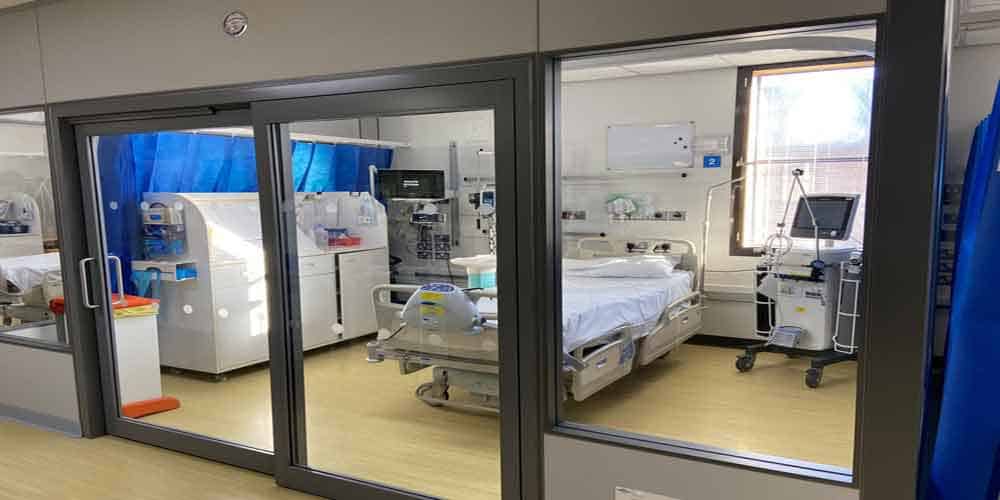
The Importance of Isolation Rooms in the NHS During the COVID Crisis
It’s been a challenging time for healthcare systems worldwide, and the National Health Service (NHS) in the United Kingdom has not been an exception. The COVID-19 pandemic has tested the resilience, adaptability, and resourcefulness of the NHS like never before. One critical aspect under the spotlight is isolation rooms. In this blog post, we’re going to delve into the importance of these rooms, how they’ve played a paramount role in managing the crisis, and the challenges the NHS has faced.
Definition of Isolation Rooms
Isolation rooms are specially designed hospital rooms used to keep patients with contagious diseases separate from others. They are designed with negative air pressure, meaning the air pressure inside the room is lower than outside. This mechanism prevents pathogens from spreading to non-contaminated areas when the door to the room is opened.
Overview of the NHS and its role in the COVID crisis
The NHS is the publicly funded healthcare system of the UK. It’s a national treasure, providing free-at-the-point-of-use care for every UK resident. However, the COVID-19 pandemic has put it under unprecedented strain. The NHS has had to rapidly adapt its operations to handle an influx of COVID-19 patients while still providing care for non-COVID patients.
The Importance of Isolation Rooms
Isolation Rooms: The First Line of Defence Against COVID-19
In the fight against COVID-19, isolation rooms have become the first line of defence. They allow the NHS to treat patients infected with the virus without putting other patients at risk. As the passages above noted, due to the design and mechanisms of isolation rooms, the spread of the virus can be controlled within the premises.
How Isolation Rooms Prevent the Spread of the Virus
Isolation rooms act as a physical barrier between COVID-19 patients and the rest of the hospital. This reduces the chances of the virus spreading through respiratory droplets or contact with contaminated surfaces. The negative air pressure in these rooms ensures that airborne pathogens don’t escape into adjoining, non-contaminated areas.
The Role of the NHS in the COVID Crisis
Swift Response of the NHS in Managing the Crisis
The NHS has shown remarkable agility in responding to the COVID-19 crisis. They quickly repurposed wards, increased critical care capacity, and established new protocols for infection control. Isolation rooms were key in this response, helping to manage the treatment of COVID-19 cases effectively.
The Impact of Isolation Rooms on NHS Operations
While isolation rooms have been critical in managing COVID-19 patients, they have also impacted NHS operations. They require additional resources and staff training, and also pose challenges in patient care. Staff have reported instances where the necessity of isolation has led to delayed treatment or sub-optimal care, impacting patients’ physical and mental health.
Challenges Faced by the NHS
Resource Strain and the Need for More Isolation Rooms
One of the major challenges the NHS faces is the strain on resources. There is a need for more isolation rooms to accommodate the number of COVID-19 patients. Additionally, personal protective equipment (PPE) is required for staff entering these rooms, adding to the logistical and financial burden.
The Human Element: Stress on NHS Staff
It’s not just about resources; the human element cannot be underestimated. NHS staff have been under immense stress, dealing with the physical demands of caring for COVID-19 patients and the emotional toll of witnessing patient suffering. The PPE necessary for their safety can hinder communication with patients, reducing the ability to provide person-centred care.
The Future of Isolation Rooms in the NHS
Despite the challenges, isolation rooms will continue to play a crucial role in the NHS’s response to COVID-19 and any potential future pandemics. The lessons learned from this crisis will inform the design and use of these rooms in the future. These rooms will likely be an integral part of hospital design, ensuring preparedness for similar health crises.
The COVID-19 pandemic has left a lasting impact on the NHS. It’s highlighted the importance of having adequate isolation facilities and prompted discussions about how to deliver effective patient care under such constraints. It’s also brought attention to the incredible dedication and resilience of NHS staff, who continue to work tirelessly to protect public health.