Preventing Cross-Patient Infections in Healthcare
A Guide to Preventing Cross-Patient Infections in Healthcare
Preventing cross-patient infections is one of the most critical responsibilities within any healthcare environment. Protecting vulnerable individuals and maintaining the highest standards of care begins with consistent, evidence-based infection prevention strategies. At the heart of these efforts is rigorous hand hygiene—one of the simplest yet most effective measures for reducing harmful pathogen transmission. When healthcare professionals wash their hands thoroughly before and after every patient interaction, they significantly cut the risk of cross-contamination.
Equally essential is diligent cleaning and disinfection. High-touch surfaces—such as bed rails, door handles, and frequently used medical devices—must be sanitised regularly using approved products. Clear protocols around the proper use of personal protective equipment (PPE) further reduce direct exposure to infectious materials.
Isolation is another key component. Patients known or suspected to carry infectious diseases should be placed in dedicated isolation rooms with clear signage to prevent accidental exposure. Ongoing staff training ensures everyone working within the facility stays up-to-date with best practices.
By embedding these measures into everyday routines, healthcare facilities can create safer environments for both patients and staff—demonstrating a steadfast commitment to high-quality care and infection prevention.
Understanding the Risks: Why Cross-Patient Infections Occur
Cross-patient infections remain a significant challenge in healthcare, contributing to an increase in healthcare-associated infections and compromising patient recovery. Understanding what drives these infections is essential. One of the biggest risk factors is inadequate hand hygiene among staff and visitors, which can facilitate the rapid spread of pathogens. Shared medical equipment, contaminated room surfaces, and overcrowded wards also heighten hospital transmission risks.
When disinfection protocols are not followed meticulously or PPE is used incorrectly, patient-to-patient infection becomes more likely. Certain individuals—those with weakened immune systems, open wounds, or those undergoing invasive procedures—are at even greater risk. By recognising these vulnerabilities, healthcare teams can target interventions more effectively and minimise preventable transmission.
The Role of Hand Hygiene in Infection Prevention
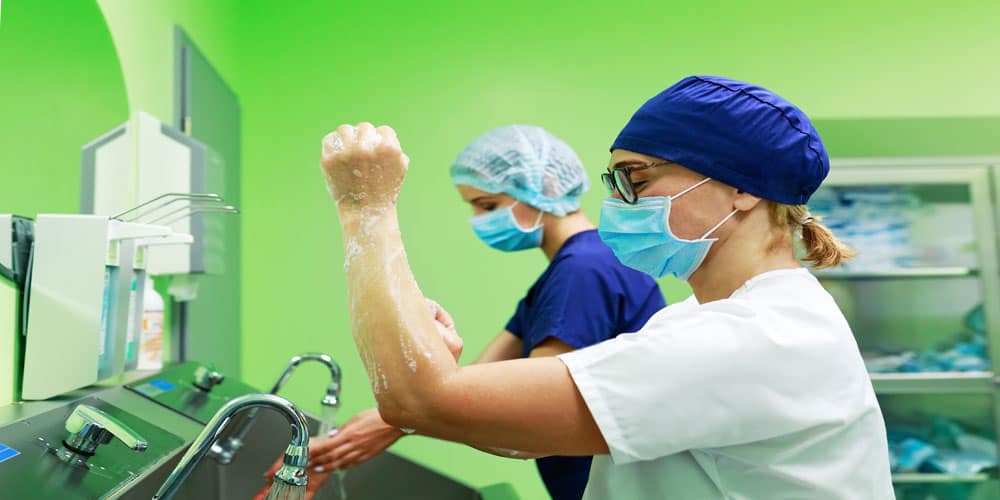
Hand hygiene remains one of the most powerful tools in preventing germ spread within healthcare environments. Adhering to hand washing protocols and using effective hand sanitisation methods dramatically reduces the risk of healthcare-associated infections. When staff commit to high levels of compliance, they help create a safer space for everyone in the facility.
Hands should be washed before and after patient contact, after exposure to bodily fluids, and after touching potentially contaminated surfaces. Alcohol-based sanitisers provide additional protection when washing with soap and water isn’t possible.
By promoting a culture that values excellent hand hygiene, hospitals can safeguard vulnerable patients, prevent outbreaks, and set a gold standard for infection prevention.
Standard Precautions and the Essential Role of PPE
Standard precautions form the backbone of infection prevention across healthcare settings. These include rigorous hand hygiene and the appropriate use of personal protective equipment such as gloves, masks, gowns, and eye protection. PPE creates a vital barrier between infectious agents and the people who care for patients every day.
When combined with barrier nursing practices—such as isolating infected patients and using dedicated equipment—PPE significantly reduces the risk of cross-contamination. Beyond offering physical protection, consistent PPE use demonstrates a commitment to safe, high-quality care.
Cleaning and Disinfection: Keeping Surfaces and Equipment Safe
Effective hospital cleaning procedures are essential for preventing infections. Every surface—from waiting areas to high-touch spots in patient rooms—can harbour harmful microbes if not thoroughly sanitised. Routine cleaning schedules ensure that no area is left overlooked.
Medical equipment that comes into contact with patients must undergo thorough cleaning followed by proper disinfection or sterilisation. This two-step process ensures devices are safe for reuse and reduces the likelihood of transmission.
Environmental decontamination goes far beyond visible cleanliness; it requires using approved disinfectants that target a wide range of pathogens. Robust cleaning and disinfection protocols serve as a powerful defence against infection and reflect a strong commitment to patient safety.
The Importance of Staff Training and Ongoing Education
Infection control training is essential to delivering safe, effective healthcare. Regular education ensures staff stay informed about emerging threats, updated protocols, and evolving best practices. Continuous professional development empowers teams to respond confidently to new challenges.
Ongoing training also instils trust—patients feel reassured when they know their care is in the hands of skilled professionals who adhere to the highest standards. In a rapidly changing healthcare landscape, well-trained staff remain one of the most important defences against infection.
Isolation Procedures: Managing High-Risk Cases
Effective isolation procedures are essential when managing contagious or high-risk cases. Isolation rooms and infectious disease wards offer controlled environments where strict safety and hygiene measures can be upheld.
Cohorting patients with the same infection is another valuable strategy, reducing the risk of cross-contamination and helping staff deliver targeted, efficient care. By prioritising these procedures, healthcare facilities can significantly limit the spread of infectious diseases.
Creating a Culture of Safety: Reporting and Continuous Improvement
A strong safety culture is essential for maintaining high standards of care. Within the NHS and across healthcare systems, incident reporting plays a crucial role. When staff are encouraged to report adverse events and near misses without fear of blame, facilities gain invaluable insights into potential risks.
Learning from infection outbreaks helps refine protocols and prevent recurrence. When staff see meaningful change as a result of reporting—whether through improved cleaning processes or updated isolation procedures—they become more invested in safety.
A non-punitive, open environment transforms everyday practice and ensures that lessons learned lead to real improvements.
Taking Action: Building a Healthier Future
Protecting patients across the UK must remain a core priority. Reducing hospital infections is not only a regulatory requirement—it is a professional and ethical duty. Through consistent hand hygiene, proper PPE use, and robust cleaning protocols, healthcare providers can measurably reduce cross-contamination.
Infection prevention is a shared responsibility. Every member of the healthcare team plays a vital role in creating a safe environment. By committing to these principles today, we can ensure a healthier, safer future for every patient entrusted to our care.