Understanding Everyday Stress in Your Life
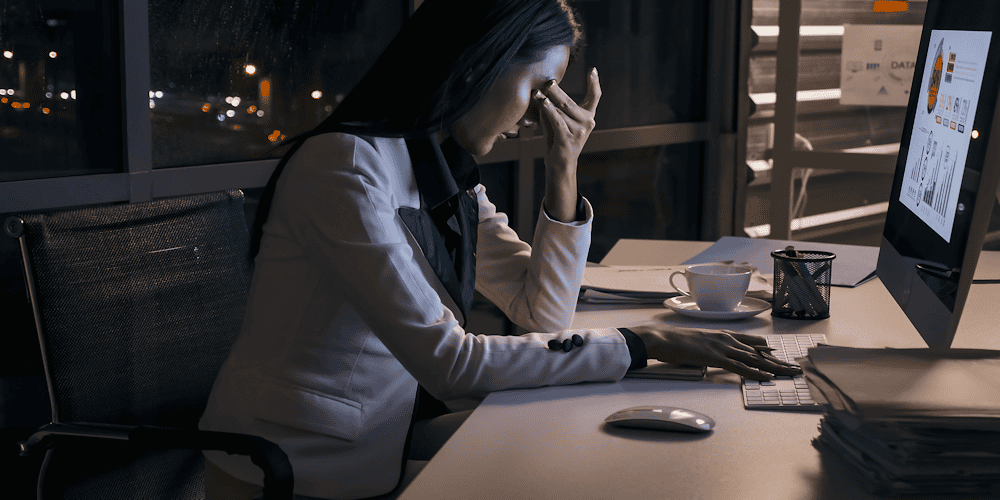
Understanding Everyday Stress: What It Is and Why It Keeps Showing Up
Everyday stress is not just “having a lot on” – it is your body and mind’s natural response to demands, pressures and expectations. When you are dealing with everyday stress, you are responding to a wide range of triggers: work deadlines, family responsibilities, financial worries, social pressures, or even your own high standards. At its core, stress is the body’s built-in alarm system, designed to help you cope with challenges. In small doses, it can be useful, giving you energy and focus. However, when it becomes constant, it starts to take a toll on your wellbeing.
There are different types of stress. Acute stress is short-term and linked to specific situations, like an exam or an argument. Episodic acute stress is when those short bursts keep happening because life feels chaotic or disorganised. Chronic stress, on the other hand, is long-lasting and can come from ongoing issues, such as money problems, relationship difficulties, caring responsibilities or a high-pressure job. Daily stressors in modern life – constant notifications, long commutes, job insecurity, and the pressure to “do it all” – can slowly build up. Over time, these common stress triggers can create a heavy mental load, leaving you emotionally exhausted even if nothing dramatic seems to be happening on the surface.
The Hidden Signs You’re More Stressed Than You Think
Stress does not always show up in obvious ways. You might tell yourself you are “fine” or “just tired”, but your body and behaviour often reveal the truth before you consciously recognise it. Stress symptoms can be physical, emotional and behavioural, and many people dismiss them as just part of normal life.
Physical signs of stress can include headaches, muscle tension (especially in the neck, jaw and shoulders), stomach issues, changes in appetite, frequent colds, fatigue, or trouble sleeping. Emotionally, you may feel more irritable, overwhelmed, tearful, numb or on edge. Behavioural signs of chronic stress might involve snapping at people, withdrawing from social contact, procrastinating, comfort eating, drinking more alcohol, or relying heavily on caffeine to get through the day. These can be early burnout warning signs, indicating that your stress levels have been high for too long.
It is also helpful to understand the difference between anxiety and stress. Stress is usually linked to a specific trigger – a situation, task or problem – and it often reduces when that issue is resolved. Anxiety, however, can feel more general and ongoing, with persistent worry or fear even when there is no clear cause. If you notice frequent physical and emotional signs of stress that don’t seem to let up, it may be a signal that your body and mind are asking for change.
How Everyday Habits May Be Secretly Increasing Your Stress Levels
Some of the habits you rely on to “switch off” might actually be quietly raising your stress. Unhealthy coping mechanisms often feel comforting in the moment, but they can keep your nervous system in a constant state of alert. Doomscrolling – endlessly scrolling through negative news or social media late at night – is a classic example. It can leave you feeling anxious, overstimulated and wired when you should be winding down.
Social media itself can be a major source of stress. Comparing your life to carefully edited highlight reels can fuel feelings of not being good enough, falling behind, or missing out. Digital overload – juggling endless emails, messages, and notifications – keeps your brain in a state of constant interruption, which makes it harder to concentrate and properly relax.
Poor sleep and stress are closely linked. Going to bed late, using screens in bed or relying on caffeine to push through tiredness can create a cycle where you never fully recharge. Caffeine and stress also feed into each other: while coffee or energy drinks can give a short-term boost, too much can increase jitteriness, heart rate and feelings of anxiety. Multitasking, perfectionism and overthinking might look productive on the surface, but they often increase pressure. Constantly switching between tasks makes your brain work harder, striving to do everything perfectly creates fear of mistakes, and replaying situations in your head keeps you stuck in stress rather than moving forward.
Simple Mindset Shifts to Help You Handle Stress More Calmly
How you think about stress strongly affects how you experience it. Your stress mindset – the beliefs you hold about pressure and difficulty – can either make challenges feel heavier or help you deal with them more calmly. Instead of seeing stress as a personal failure or something you “shouldn’t” feel, you can learn to view it as a signal: your body telling you that something needs care, attention or adjustment.
Reframing thoughts is a key tool. Cognitive distortions – unhelpful thinking patterns like “all or nothing” thinking, catastrophising (“everything will go wrong”), or mind-reading (“they must think I’m useless”) – can intensify stress. When you notice these patterns, you can gently challenge them and replace them with more balanced alternatives. Positive self-talk does not mean pretending everything is perfect; it means speaking to yourself with the same understanding and encouragement you would offer a friend. Simple shifts like “I can’t cope” to “This is hard, but I’m doing my best, and I can take it one step at a time” can make a real difference.
Acceptance also plays an important role. Letting go of control where you realistically have none frees up energy to focus on what you can influence. Building resilience and emotional flexibility means learning to bend without breaking – allowing feelings to come and go, adapting to change, and trusting that you can handle life’s ups and downs. These mental approaches help you deal with everyday stress more effectively, not by eliminating all challenges, but by changing how you relate to them.
Quick, Science-Backed Techniques to Calm Stress in the Moment
When stress spikes suddenly, it helps to have practical tools you can use straight away. Evidence-based techniques can calm your body’s stress response and bring you back to the present.
Breathing exercises are one of the simplest and most effective options. Slow, deep breathing – for example, inhaling through your nose for a count of four, holding for four, and exhaling for six or eight – signals to your nervous system that you are safe, gradually reducing tension. Grounding techniques help when your thoughts are racing. The five senses technique (noticing five things you can see, four you can touch, three you can hear, two you can smell and one you can taste) pulls your attention away from worries and into the here and now.
Mindfulness and relaxation techniques, such as body scans, progressive muscle relaxation or gentle stretching, can also act as instant stress reducers. They encourage you to slow down, notice what is happening in your body, and release tightness. If you are managing panic or intense anxiety, focusing on something concrete – feeling your feet on the floor, holding a cool glass of water, or counting objects in the room – can help steady you. These small, science-backed stress-relief tips aren’t about ignoring problems; they are about calming your system so you can think more clearly and respond more wisely.
Building a Daily Routine That Protects You from Stress
Instead of reacting only when stress gets too much, you can protect yourself by designing a daily routine that keeps your stress levels more stable. A simple stress management routine does not need to be perfect or time-consuming – it just needs to support your mind and body consistently.
A morning routine for less stress might include waking up a little earlier for a calm start, avoiding your phone for the first 20–30 minutes, and doing one small grounding activity such as stretching, journalling, a short walk or a mindful cup of tea. Planning your day and prioritising tasks can reduce the feeling of chaos. Time blocking – setting aside specific chunks of time for focused work, admin, rest and personal tasks – helps you feel more in control and prevents everything blending into one long, stressful blur.
An evening wind-down routine matters too. This could involve dimming lights, limiting screens before bed, and setting a set “switch-off” time for work emails. Paying attention to work–life balance and setting healthy boundaries – such as not checking messages late at night or saying no to extra responsibilities when your plate is already full – is a practical way of dealing with everyday stress in your life proactively. Over time, these small routines create a structure that supports you, rather than drains you.
Looking After Your Body: Lifestyle Changes That Lower Everyday Stress
Your physical health and stress levels are deeply connected. Looking after your body is not a luxury; it is one of the most effective ways to reduce everyday stress.
Exercise and stress are closely linked: regular movement helps your body process stress hormones and releases chemicals like endorphins that improve mood. This does not have to mean intense workouts. Walking for stress relief – even 10–20 minutes at a steady pace, ideally outdoors – can help clear your head and ease physical tension. Yoga and stretching can calm both body and mind, loosen tight muscles, and encourage slower breathing.
Nutrition and stress also influence each other. Skipping meals, relying heavily on sugar or ultra-processed foods, or not drinking enough water can leave you irritable, tired and less able to cope. Focusing on balanced meals, regular snacks if needed, and good hydration gives your body the fuel it needs. Sleep hygiene – creating habits that support good sleep, such as a regular bedtime, a dark, cool bedroom, and a wind-down period – helps your nervous system reset. Limiting alcohol is important too; while it may feel relaxing in the moment, it can disrupt sleep, affect mood and increase anxiety the next day. Stress and hormones interact in complex ways, and ongoing high stress can affect everything from energy levels to menstrual cycles and libido. Physical self-care is key to bringing your system back into balance.
Emotional Self-Care: Being Kinder to Yourself When Life Feels Overwhelming
Emotional self-care is about how you treat yourself on the inside. When life feels overwhelming, responding with self-compassion instead of self-criticism can dramatically ease stress. Self-compassion means recognising that struggle is part of being human, speaking to yourself kindly, and allowing yourself to rest and receive support without guilt.
Many self-care ideas support emotional wellbeing. Journalling for stress can help you process your thoughts and feelings, spot patterns, and release worries onto the page instead of carrying them in your head. A gratitude practice – noting a few things each day that you appreciate, however small – can gently shift your focus away from constant problems and towards what is still working in your life.
Soothing activities and hobbies for relaxation, such as reading, drawing, gardening, listening to music, baking or crafting, give your mind a break from stress. Crucially, emotional self-care also involves saying no without guilt when you are at capacity. Protecting your time and energy isn’t selfish; it is necessary if you want to stay well enough to show up for others and yourself in the long term.
Relationships and Stress: People Who Drain You vs People Who Support You
The people around you strongly affect your stress levels. Some relationships leave you feeling heard, supported and energised; others leave you tense, guilty or exhausted. Recognising the difference between toxic relationships and supportive friendships is a vital step in managing stress.
Toxic relationships might involve constant criticism, manipulation, lack of respect for your boundaries, or one-sided emotional demands. These dynamics can keep your stress response activated and chip away at your self-esteem. Supportive friendships, by contrast, are built on mutual respect, honesty and care. With these people, you can be yourself, share your struggles, and know that you will not be judged for having a hard time.
Learning to ask for help and practising clear communication skills can significantly reduce stress. This might mean telling a partner you need more practical support at home, letting a friend know you are not coping well, or being honest with a manager about your workload. Setting boundaries with family members who drain you – for example, limiting the time you spend with them, or refusing to engage in certain topics – can also protect your mental health. Social support and talking about stress do not remove problems, but they make them feel lighter and easier to handle.
Dealing with Everyday Stress at Work and at Home
Everyday stress often comes from juggling demands at work and at home. Work-related stress can arise from office politics, tight deadlines, long hours, lack of control, or unclear expectations. Remote work stress brings its own challenges: blurred boundaries between work and home, isolation from colleagues, and the pressure to be constantly available online.
Workload management becomes essential here. Clarifying priorities, breaking big tasks into smaller steps, and being realistic about what you can do in a day can help. Sometimes this includes having honest conversations with managers or colleagues about capacity and timelines, rather than constantly pushing yourself beyond your limits.
At home, a stressful environment, heavy family responsibilities, parenting stress and financial stress can build up. Noise, clutter, ongoing conflicts or constant interruptions make it harder to relax. Practical problem-solving – such as creating shared chores lists, budgeting, arranging childcare swaps, or setting up quiet times and spaces – can make daily life more manageable. You may not be able to remove all sources of pressure, but you can reduce their impact by approaching them step by step.
When Everyday Stress Turns into Something More Serious
While occasional stress is a normal part of life, it can sometimes develop into something more serious. Chronic stress that goes on for months or years can lead to burnout, where you feel emotionally drained, detached and unable to function as you once did. You may notice a loss of motivation, increased cynicism, or a sense of being “empty” and stuck.
High, ongoing stress can also be linked to anxiety disorders and depression. Anxiety disorders involve more frequent, intense or persistent feelings of worry, fear or panic that interfere with daily life. Depression can show up as long-lasting low mood, loss of interest in things you used to enjoy, changes in sleep or appetite, and feelings of worthlessness or hopelessness. These are not signs of weakness; they are health conditions that deserve attention and care.
Knowing when to seek help is crucial. If stress is affecting your ability to work, study, look after yourself, or maintain relationships – or if you have been feeling low or anxious for several weeks – it may be time to reach out for professional support. Talking therapies, counselling and CBT (Cognitive Behavioural Therapy) can offer practical tools and understanding. In the UK, the NHS provides mental health support, and you can speak to your GP about options. Professional help for stress can be an important part of getting back to feeling like yourself again.
Creating Your Personal Stress-Management Plan (And Sticking to It)
Because everyone’s life and triggers are different, it helps to create a personal stress plan tailored to you. A stress diary is a useful starting point: for a couple of weeks, note down times you feel stressed, what was happening, how you felt, and how you responded. This helps you track triggers and notice patterns you might not have seen before.
From there, you can set realistic goals for change. These do not need to be dramatic. Small daily changes – such as going to bed 15 minutes earlier, taking a short walk at lunchtime, or limiting social media use – can make a surprisingly big difference over time. Habit building works best when you start small, attach new habits to existing routines (for example, deep breathing after brushing your teeth), and focus on consistency rather than perfection.
Accountability can also help you stick to your plan. This might mean checking in with a friend, using a habit-tracking app, or reviewing your stress diary once a week to see what is improving and what still needs attention. Long-term stress management is less about one-off fixes and more about learning to handle everyday stress consistently in ways that feel sustainable.
Choose to Take Control – Small Steps to a Calmer, More Resilient Life
While you cannot avoid stress completely, you do have choices in how you respond to it and how much space it takes up in your life. Taking control of stress does not require a complete overhaul overnight. It is about choosing small, manageable actions that help you feel calmer, clearer and more in control, day by day.
Each positive change – setting one boundary, going for one short walk, practising one breathing exercise, challenging one unhelpful thought – is a step towards building resilience. Over time, these small changes add up to big results, improving your long-term wellbeing and helping you feel more capable of handling whatever comes your way.
You do not have to wait for the “perfect time” to begin. You can start today, with one simple action that supports your mind and body. Bit by bit, you can create a life with less stress and more space for rest, joy and genuine fulfilment.