Understanding Integrated Systems in Healthcare
Understanding Integrated Systems in Healthcare
Welcome to the future of modern hospital design. Have you thought about how hospitals in the UK keep everything going well at a patient’s bedside? A big part of that is the integrated systems. These smart tools are making UK healthcare easier, safer, and better for both people and the staff.
For example, the air compressor gives out medical gases. There are electrical outlets as well. When these services come together in one unit, things become simple. It helps care get better and helps everyone work faster. Let’s talk about why these systems are so important in UK healthcare right now.
Understanding Integrated Systems in Hospital Facilities
In simple words, ‘integrated’ is when you bring together different things. They work as one whole piece. For example, your smartphone is an integrated device. It has a camera, a phone, and an internet browser all in one. In healthcare and technology, integration means making systems work well together. This helps to boost how things work and also makes it better for people who use them.
In a hospital, this idea is very important. The goal is to bring things like medical gas outlets that get air from the air compressor, wires that carry power, and ports for data together in one place. When these parts come together as a unit, it makes things run smoother, there is less mess, and it helps people get better care. Next, we will talk about how this helps in healthcare and look at a few real-life examples.
What Does ‘Integrated’ Mean in a Healthcare Setting?
In healthcare, ‘integrated’ means putting different medical services and tools together in one smart system. So, instead of having a lot of separate tools and machines around the patient’s bed, everything is brought together in one spot. This makes things more organised and helps the medical staff work better.
For example, a medical headwall has outlets for things like oxygen, suction, and medical air from an air compressor. It also has electrical sockets and network links. In healthcare, people use the word to talk about how different software systems, like records for patients and billing, can pass information to each other without problems. This sharing is very important for modern patient care.
This idea of joining different features is not only used in hospitals. You can find it in things you use at home. A smart fridge, for example, can connect to your shopping list app. There is also custom furniture that can have space to store things, lights, and even charging ports. In all these cases, the goal is to make life easier and help you do things faster.
Examples of Integrated Solutions in Modern Hospitals
Modern hospitals have integrated solutions that help make care better. You can think of it like a smart TV at home. A smart TV puts together streaming, the internet, and usual TV all in one place. A hospital system does the same. It brings many things together to help doctors and nurses. One main example of this is the integrated medical headwall.
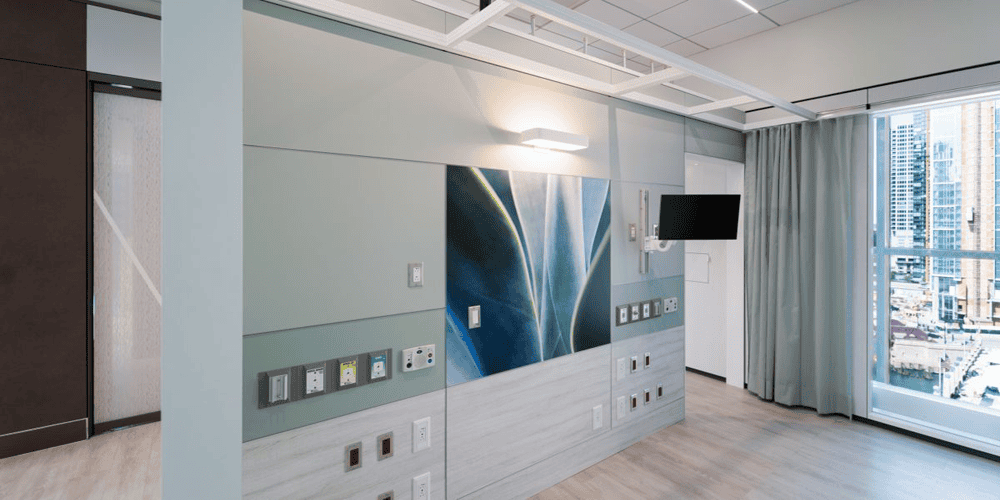
These headwalls are ready-made panels. They be placed at the head of each patient’s bed. This acts like a main spot for all the important things you need. You do not need to deal with messy or tangled wires and tubes. All is neat and easy to get to.
Some usual solutions that you can see in UK healthcare places include:
Integrated Medical Headwalls: These bring gas, vacuum, electric, and data outlets together in one place.
Segregation and Isolation Pods: These are units that have their own air system and all needed services built in.
Nurse Stations: These are main desks where there are screens for checking on patients and tools to talk to other staff.
Integrated Sink Wall Modules: These join handwashing sinks with places to store things and keep supplies.
Key Components of Integrated Medical Headwalls
An integrated medical headwall collects all important patient services into one ready-made unit. It comes with aluminium frames, wall-mounting brackets, and special slots for different equipment and accessories. This setup makes it easy to install. It also lets you make changes later with little trouble.
The main part of the headwall has built-in electrical circuits. These provide both important and less important power. It also has channels for medical gases such as oxygen and air from an air compressor. When these things are all in one place, hospitals can make the area safer and more organized. This helps doctors and nurses work better. Let’s take a closer look at some of these important services.
Oxygen, Vacuum, and Suction Capabilities Explained
Integrated medical headwalls make it easy to get the important medical gases and suction you need for patient care. These things are built right in, so you don’t have to use big, portable tanks or extra machines. This setup saves space and helps keep the area safe because there are fewer things to trip over. It also means you can always count on having the right supply when you need it.
A headwall in UK healthcare works like having a built-in vacuum system in your home. There is a central part, and many spots where you can use it when you need. A headwall lets people get suction right away in the place it is most needed. All these systems are made to meet UK healthcare rules, so you know they are safe and work well. A big thing about these setups is that all the service parts are inside one cover. This setup is like what you see with electronics, which have one box to keep all parts safe and neat.
How Medical Headwalls Suit Every Level of Care
One of the best things about integrated medical headwalls is how they can be used in many ways. Unlike devices that are made for just one job, these systems be changed to fit what each hospital area needs. This is very important in healthcare, where things change fast and patients need different care.
A headwall can be set up to match the space it is in. It can work in a general ward, an intensive care unit, or a special treatment room. For example, an ICU bed will need more outlets for things like an air compressor, monitors, and other life-support machines. A usual recovery bed will not need as many. This way, each patient can get the care that they need.
Integrated systems can be tailored for:
Intensive Care Units (ICUs): These need a lot of medical gas, vacuum, and power outlets.
General Patient Rooms: These rooms have normal service needs for recovery and daily care.
Speciality Areas: These include units like paediatric or heart care, and may have special equipment needs.
The Role of Awallsz and Advancements in Hospital Integration
Architectural Wallsz leads the way in creating new, ready-made modular options to improve hospital spaces. In healthcare, this works like an enclosure in electronics that puts all parts together in a neat box. Our ideas for hospitals put many important services into one special unit with a design that fits each place. It is like making custom furniture, where putting everything together matters for both how it works and how it looks.
We use modern ways to build things for healthcare. This helps us make systems that can change with the times. These systems are also ready for the future. Our designs are made to fit each bed space, so each place gets what it needs. This way, we give every facility a good answer made just for it. The next part will show the good things that come from this.
Innovative Applications and Benefits for Staff and Patients
The smart use of integrated systems from Architectural Wallsz helps hospital staff and the people they care for in many ways. For staff, the simple setup of a headwall makes work go smoother. With things like the air compressor outlet and data ports close by, they can do their job faster. This means they can take care of patient needs right away.
For patients, the benefits are clear. A tidy and simple space feels more calm and safe. The design helps give more privacy and can help people feel better. In healthcare, this works much like walls in new buildings that change quickly to make more space. Our healthcare solutions can also change easily with very little trouble. This means the hospital can grow and get better over time to help people get good care.
Key benefits include:
Streamlined Construction: You can put these up fast, and it causes less trouble at the site.
Enhanced Infection Control: The finish is smooth and easy to clean.
Infinite Customisation: You can set up rooms any way you need for every kind of care.
Future-Proof Design: The space can change and grow to fit what you need in the future.
Integrated systems Revolutionising Healthcare
Integrated systems are changing how hospitals work today. They help with better talk and can make things faster at work. This makes things easier for people who work in healthcare and is also good for patients. Things like medical headwalls and new options from Awallsz show how these systems come together. Using them is key to giving better care. When hospitals use these new ways, they become more safe and work quicker. They also do better at helping all kinds of patients. If you want to know more about integrated systems or how they can help your healthcare facility, you can get in touch for more details.
Frequently Asked Questions
How Is an Integrated Medical Headwall Different from Traditional Systems?
An integrated medical headwall puts several things like an air compressor, vacuum, and power all in one ready-made panel. This is not how traditional systems work. In the UK, people often use separate machines and outlets, which can make things feel messy and hard to set up. It also makes it harder for care teams to work fast and help people in the UK healthcare system.
Can Integrated Systems Adapt to Various Care Levels in Hospitals?
Yes, that is right. Integrated systems can fit many needs. A headwall in the ICU will have more outlets for an air compressor, vacuum, and monitoring tools. A general ward headwall will not need as many. This means each bed is set up for the care level the patient needs.
What Safety Features Are Included in Integrated Solutions Like Awallsz?
Safety comes first. Our UK healthcare solutions use smooth, tough surfaces. These help stop germs from spreading. They also fit well with all standard cleaning steps used in hospitals.
The design keeps everything closed in and neat. The wires come ready to use. Gas and vacuum lines are all set together, so there are fewer cords on the floor. This helps stop trips and falls. Our products meet UK healthcare rules, too. You get the best safety for everyone.