Understanding the Art of Landscape Photography
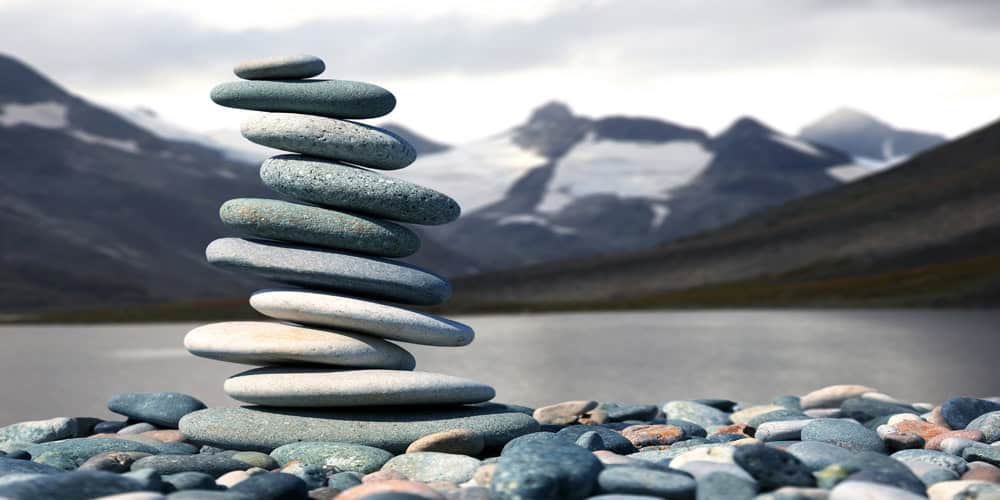
Understanding the Art of Landscape Photography
Have you ever been moved by a beautiful view and wished you could hold onto it forever? Landscape photography lets you do exactly that. It deepens your connection with nature and allows you to share its beauty with others. If you’re just starting out, this guide will walk you through the essentials, from camera settings to finding compelling compositions, so you can turn your love of photography into captivating visual art.
Landscape photography is more than pointing your camera at a pretty place. It’s about understanding light, using thoughtful composition, and developing an eye for detail. With practice, these skills become second nature, leaving you free to focus on creativity and storytelling.
The goal? To capture the feeling of a place, not just the view. When you begin to see the world like a photographer, you notice the small details: the warmth of early sunlight, the curve of a river, or the quiet power of distant hills. These elements transform a simple scene into a memorable image.
________________________________________
What Makes Landscape Photography Unique?
Landscape photography showcases the beauty of the natural world—from dramatic mountains to peaceful beaches. Strong landscape images often have a sense of presence, drawing the viewer into the scene. They highlight a clear focal point and guide the eye through the composition.
Winning landscape photos go beyond technical skill. They evoke emotion, share a message, and offer a fresh perspective on a familiar place. Judges look for thoughtful lighting, a strong subject, and creative use of weather, angles, or timing to make the image stand out.
________________________________________
Learning to “See the Beauty” in Every Scene
Before lifting the camera, pause and take in the moment. A mindful approach helps you notice the subtle details that bring an image to life.
Try these simple steps to connect with the landscape:
• Put the camera down and study the surroundings.
• Listen to the natural sounds around you.
• Observe how light shifts across the landscape.
This connection will naturally flow into your photography. When you feel a sense of place, your images will reflect that emotion, turning them from snapshots into art.
________________________________________
Essential Camera Settings for Beautiful Landscape Shots
Understanding aperture, ISO, and shutter speed—the exposure triangle—is key to taking control of your images. These settings determine how light enters your camera and shape the final look of your photograph.
Aperture, ISO, and Shutter Speed
• Aperture:
For landscapes, use a narrow aperture such as f/11 or f/16 to achieve a deep depth of field, keeping foreground and background sharp.
• ISO:
Keep your ISO low (100–200) to avoid noise and maintain image clarity.
• Shutter Speed:
Adjust your shutter according to your aperture and ISO to achieve the correct exposure. Because narrow apertures and low ISO often require slow shutter speeds, a tripod is a must for crisp, blur-free images.
________________________________________
Best Practices for Sharp, Vivid Images
Sharpness is key in landscape photography, and these habits will help you consistently get clear results:
• Use a tripod to eliminate shake.
• Find your lens’s sweet spot, typically 2–3 stops down from its widest aperture (e.g., f/8–f/11 on an f/2.8 lens).
• Focus roughly one-third into the scene for optimal depth.
• Use a remote shutter or camera timer.
• Zoom in using Live View to fine-tune focus.
• Shoot in RAW for maximum editing flexibility.
________________________________________
Tips to Improve Your Landscape Photography Skills
Once you’re comfortable with your camera, you can focus on creativity. Strong composition and patience are essential. Sometimes you may wait for hours for the right light, or return to the same location multiple times. Persistence often leads to breathtaking results.
Composition Techniques for Standout Images
• Use the rule of thirds to position key elements.
• Add a compelling foreground subject to create depth.
• Guide the viewer with leading lines like paths or rivers.
• Experiment with framing, such as shooting through branches or archways.
• Look for symmetry and natural balance.
• Keep compositions simple and uncluttered.
• Try shooting from different angles—low to the ground or higher up.
________________________________________
Using Natural Light to Bring a Scene to Life
Light is the heart of landscape photography. The best times to shoot are during the golden hours—just after sunrise and before sunset, when light is soft, warm, and atmospheric. Long shadows add depth and texture.
Avoid the harsh, direct light of midday when possible. If you must shoot then, cloudy skies act as natural diffusers and create even, flattering light.
Venturing out early or staying out late often turns photography into a small adventure, giving you both beautiful images and memorable experiences.
________________________________________
Finding Inspiration for Creative Landscape Photography
Every photographer needs inspiration. You can find yours in many places:
• studying other photographers’ work,
• exploring new locations,
• or simply observing the world around you.
Don’t overlook local beauty. Sometimes the best images are found close to home.
Exploring Inspiring UK Locations
The UK offers an incredible variety of landscapes—from the rugged mountains of Wales to the dramatic northern coastlines. As a North East landscape photographer, I, Sophie Henderson, find endless inspiration in this region. Consider exploring:
• Northumberland: dramatic castles, wild beaches, expansive countryside.
• County Durham: the iconic Durham Cathedral and the powerful High Force waterfall.
• North Tyneside: historic coastline, striking lighthouses, and charming seascapes.
Each location offers unique opportunities for stunning compositions.
Sources of Fresh Ideas
If you’re feeling stuck:
• Follow photographers you admire on social media.
• Browse photography sites like Unsplash or Pexels for inspiration.
• Explore my own North East landscape photography gallery for local ideas.
• Spend time in nature—without your camera—and observe light, shapes, and textures.
Inspiration often comes when you least expect it.
________________________________________
Landscape Photography: Capturing a Scene
Landscape photography is more than documentation, it’s an invitation to see the world through your eyes. With the right camera skills, creative techniques, and a curious mindset, your images can become powerful expressions of the places you love.
Pick up your camera, explore new locations, and let your creativity guide you. If you’d like personalised tips or help developing your skills, feel free to reach out.
________________________________________
Frequently Asked Questions
What makes a landscape photo stand out in competitions?
Strong composition, great light, technical precision, and a clear sense of story. Winning photos reflect the photographer’s unique perspective.
How does human influence affect landscape photography?
Human elements—like buildings, paths, or people, can add scale, narrative, or contrast. Depending on how they’re used, they can enhance or distract from the scene.
Can landscape photography help you find peace?
Absolutely. Slowing down, observing nature, and being present can reduce stress and create a calming, mindful experience behind the camera.